



I was always the first person to read the self-help books, listen to the motivational podcasts, and write lists upon lists of goals. I wanted to change. The problem? I was focusing only on the symptoms, not the disease.
For years, I thought change was about the surface: exercising, having an immaculate calendar. They were great masks, but they were still just that—masks. The real turning point happened when I realized that changing isn’t about doing new things, but about being a new person. It’s about rewiring my mind so that insecurity doesn’t even have a place to land.
This same truth, of internal vs. superficial change, is fascinatingly mirrored in my work and how technology is evolving. I’m referring to the phenomenon of Vibe Coding.
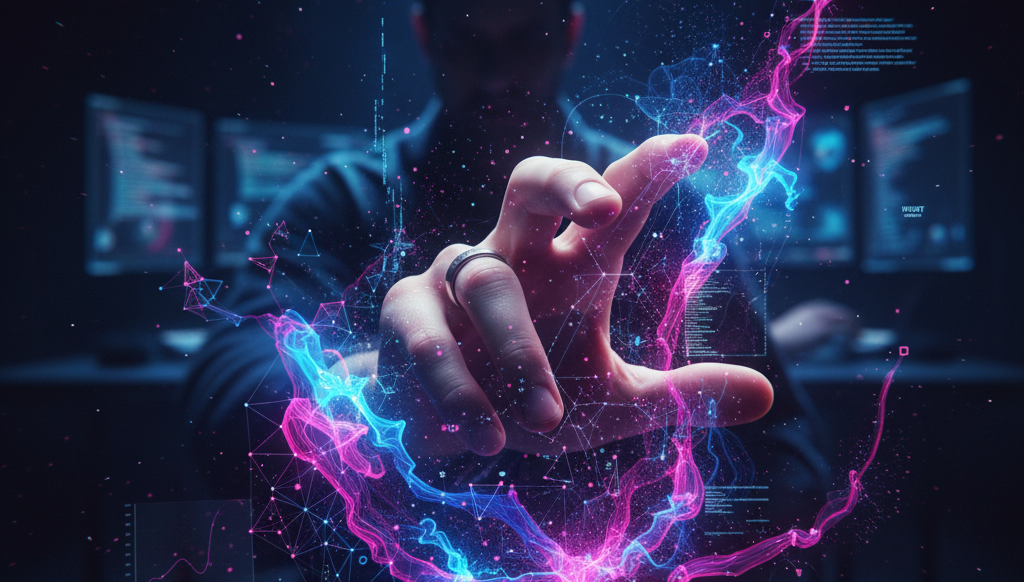
Ever since the term became popular (giving the intention to the AI and letting it write the code), I’ve had to take an honest inventory. Vibe Coding asks me to forget the code and focus only on the intent (the “vibe”) I want to create.
✅ The Upsides: The Freedom of Being the Architect
- Prototyping Acceleration: The speed gain is undeniable. Testing complex ideas and features in hours, not days, is a superpower.
- Focus on Purpose (The “Why”): I am forced to free myself from the details of syntax and concentrate on the strategic vision. I stop being the carpenter cutting the wood and become the designer sketching the house.
❌ The Downsides: The Danger of Laziness and “Technical Debt”
- The Risk of Dependency and Laziness: The great danger is that we get lazy and lose the ability to understand the underlying principles. What if the AI fails?
- Maintenance and “AI Technical Debt”: The generated code can often be less clean or more difficult to maintain in the long run. It’s fast at the start, but the cost of future maintenance can be high.
🤔 Why the Human Developer is Insurgent
If Vibe Coding is so good, why do I refuse to believe it will replace the developer behind the keyboard? The answer is simple and returns to the initial point: Intent and Responsibility.
The AI is an execution machine; we are purpose machines. AI can write code. But AI cannot capture the nuance, the passion, or the purpose behind the idea. That’s me. That’s my code, my personal “Vibe Code.”
The human developer is the guardian of quality and responsibility. We are the ones who define the ethical boundaries, ensure security, and introduce the Nuance that a simple prompt can never capture.
Vibe Coding didn’t come to eliminate developers; it came to eliminate the boring work of developers. It is demanding that we evolve and become more creative, more architect-like, and more critical.
Ultimately, both in personal and professional life, real change demands that we become more human. I had to shed my identity as the “perfect-syntax coder” (or the “immaculate-calendar person”) and embrace that of the “visionary” who guides a team of AIs (or myself) with clarity and purpose.
My bet is clear: the developer doesn’t disappear. They grab the tool, master it, and use it to go to the next level. And that level requires a brain, a heart, and yes, an irreplaceable human “vibe.”